
How to Make Bone Broth (Plus Why I Sometimes Choose Meat Stock Instead)
This post contains affiliate links, meaning that I may make a small commission when you shop from my provided links. This helps me to grow my business, at no extra cost to you!
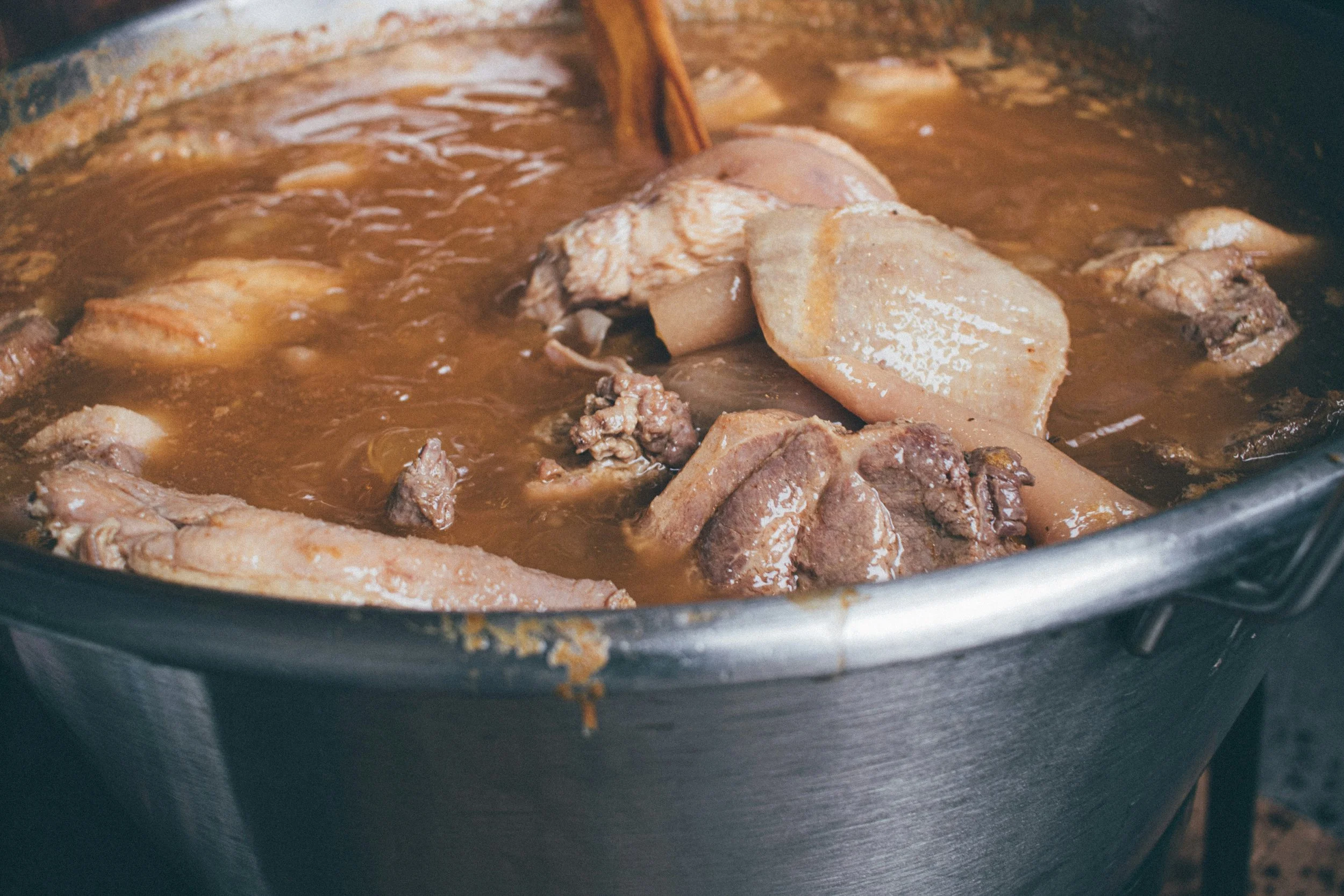
Bone broth recipe
+ the difference between bone broth and meat stock
If you’ve spent any time in the health world, you’ve probably heard that bone broth is one of the most nourishing foods you can consume.
And that’s true. Bone broth is rich in minerals, supports gut health, and is an easy way to add nutrients to almost any meal.
But here’s something many people don’t hear…
After years of making bone broth, I discovered meat stock, and now I reach for it far more often (spoiler alert: it’s also much simpler to make!)
Not only is it simpler to make, it’s also faster and often more supportive for everyday nourishment, especially for those healing their gut or sensitive to histamines.
In this post, I’ll tell you exactly how to make bone broth (and a bonus meat stock recipe, if you decide that’s what’s best for you) and tell you the differences between bone broth and meat stock so you can decide which one would support your body best.
What is Bone Broth?
Bone broth is…. you guessed it, broth made from bones. Bones are often roasted before being cooked or simmered for a long period of time (typically 12-24 hours). Bone broth is higher in gelatin/collagen because the long simmer time helps to break down the connective tissues.
Benefits of bone broth:
Rich in collagen and gelatin, supporting joints, skin, and gut lining
Contains amino acids like glycine and proline for tissue repair and digestion
High in minerals due to long simmer time
What is Meat Stock?
Meat stock is made from meat bones or whole cuts of meat simmered gently for a shorter period of time (typically 2-6 hours).
Benefits of meat stock:
Easier to digest, especially for sensitive systems
Lower in histamines due to shorter cook time
Still rich in minerals and amino acids
Bone Broth Vs Meat Stock: Key Differences
Bone Broth:
Long cook time
Higher in certain extracted minerals
Lighter flavor
Great occasionally
Meat stock:
Short cook time
Rich in gelatin and amino acids
More balanced minerals
Better for daily use
Collagen Benefits + 10 Easy Collagen Recipes
When I Use Each
I know I mentioned I typically reach for meat stock more, but there are often times I reach for bone broth. If I’m looking for a good mineral boost (especially if I’m out of my powdered collagen), I’ll often reach for bone broth. I also use bone broth if I’m making soup or meat that will simmer most of the day. And to be perfectly honest, I’ll make bone broth if I have bones around that need to be used (like after we roast or smoke a whole chicken), because as a busy mom, I don’t want to waste time or food.
I tend to make meat stock more frequently when I’m looking for something more gentle on the digestive system. This was especially important for me postpartum, but it’s something I still consider now.
If I don’t have homemade broth on hand, I’ll often use a high-quality bone broth powder as a backup. It’s not quite the same as homemade, but it’s a really helpful option during busy seasons.
A Simple In-Between Option (What I Do Most Often)
So what do I make most frequently? I actually like to do a combination of both. If I’m being completely honest, this is what I make 90% of the time. Since I’m no longer freshly postpartum, and since my son’s gut issues have started to improve, I feel like I can handle a bit more of the breakdown that bone broth offers, but I also love the benefits (and simplicity) of meat stock.
Here’s how:
I take a whole chicken, put it in my pressure cooker, add a splash of apple cider vinegar, cover it with water, and pressure cook for two hours.
I love this method because it:
Has the richness and nourishment of meat stock
More extraction from the bones (like bone broth) without needing to simmer for 24 hours
I shred the chicken after and use it for other meals like soups or chicken salad
It’s something that fits into real life
I love this method during busy seasons and for when I need something simple and nourishing without having to overthink it. This is also a great place to start if you’re new to making your own broth or stock.
How to Make Bone Broth (Step-By-Step)
One of my best tips for making bone broth is to not overthink it. Keep it simple and keep it nourishing. If you’re ready to make traditional bone broth, here’s the simple method I use.
Ingredients:
2-4 pounds of bones (I like to use beef, chicken or sometimes a mix)
8-12 cups filtered water
2 Tbsp apple cider vinegar
Optional additions: sea salt, carrots, onion garlic, celery, or other vegetable scraps
Optional but highly recommended: chicken feet! This adds a lot of collagen and gelatin and give it that really jiggly broth people so often get excited about. You can typically find them at a local farm, co-op, or even Whole Foods.
Instructions:
Add bones to a large pot or slow cooker
Add in your apple cider vinegar and anyoptional additions, then cover with water
Cover and let simmer for 12-24 hours
Strain your broth and store in the fridge for up to a week, or freeze so it’s ready whenever you need it
Frequently Asked Questions
Is bone broth or meat stock better?
Both bone broth and meat stock are incredibly nourishing—it really depends on your needs.
Bone broth is simmered longer, which helps extract more minerals and collagen from the bones. This makes it a great option if you’re looking for a deeper mineral boost.
Meat stock, on the other hand, is cooked for a shorter period of time and is often easier to digest. This can make it a better choice for those who are healing their gut, postpartum, or sensitive to histamines.
In many cases, it’s not about choosing one over the other, but using each when it makes the most sense for your body.
Can I make bone broth in a pressure cooker?
Yes, you can make bone broth in a pressure cooker, and it’s a great option if you’re short on time.
While traditional bone broth is typically simmered for 12–24 hours, using a pressure cooker can significantly reduce the cooking time while still giving you a nutrient-rich result.
Personally, I often use a pressure cooker with a whole chicken for about 2 hours, which creates a broth that falls somewhere between traditional bone broth and meat stock. It’s rich, flavorful, and much more practical for everyday use.
Why didn’t my bone broth gel?
A gel-like texture is often a sign of higher collagen content, but if your broth didn’t gel, it doesn’t mean it’s not nutritious.
A few reasons your bone broth may not gel:
Not enough collagen-rich bones (like joints, knuckles, or chicken feet)
Too much water
Not simmered long enough
If you want a more gelatin-rich broth, try adding chicken feet, using a higher ratio of bones to water, or simmering longer.
How often should I drink bone broth?
There’s no strict rule, but many people enjoy bone broth a few times per week or even daily.
If you’re focusing on healing or replenishing nutrients (like postpartum or during times of stress), you may benefit from having it more regularly.
That said, I love to add it in wherever I can to maximize the benefits. I replace water with broth or stock when making rice, quinoa, and pasta. And I also love making the viral bone broth hot chocolate.
Is meat stock lower in histamines than bone broth?
Yes, meat stock is generally lower in histamines because it’s cooked for a shorter period of time.
Long cooking times, like those used for bone broth, can increase histamine levels, which may be problematic for people with sensitivities.
If you notice symptoms like headaches, skin reactions, or digestive discomfort after consuming bone broth, trying meat stock or a shorter cooking method may be a better fit.
What kind of bones are best for bone broth?
The best bones for bone broth are those rich in connective tissue and collagen.
Some great options include:
Chicken carcasses, feet, and wings
Beef knuckles, joints, and marrow bones
Oxtail
Using a mix of bones can give you the best balance of flavor and nutrients.
Do I need to add apple cider vinegar?
Apple cider vinegar is commonly added to bone broth because it may help draw minerals out of the bones during cooking.
While it’s not absolutely required, it’s a simple step that can enhance the overall nutrient content, so I typically include it.
Final Thoughts
Bone broth is a great option when you’re looking for a deeper mineral boost or want something simmering throughout the day. Meat stock, on the other hand, can be a more gentle and practical choice for everyday use, especially during seasons like postpartum, gut healing, or when you just need something simple.
And if you’re somewhere in between, you don’t have to overthink it.
That’s exactly why I find myself coming back to the pressure cooker method most often. It gives me the nourishment of both without requiring hours of planning or prep.
If you’re not sure where to start, start there.
If this was helpful, save it for later so you have it on hand the next time you’re making broth.
