
This post contains affiliate links, meaning that I may make a small commission when you shop from my provided links. This helps me to grow my business, at no extra cost to you!
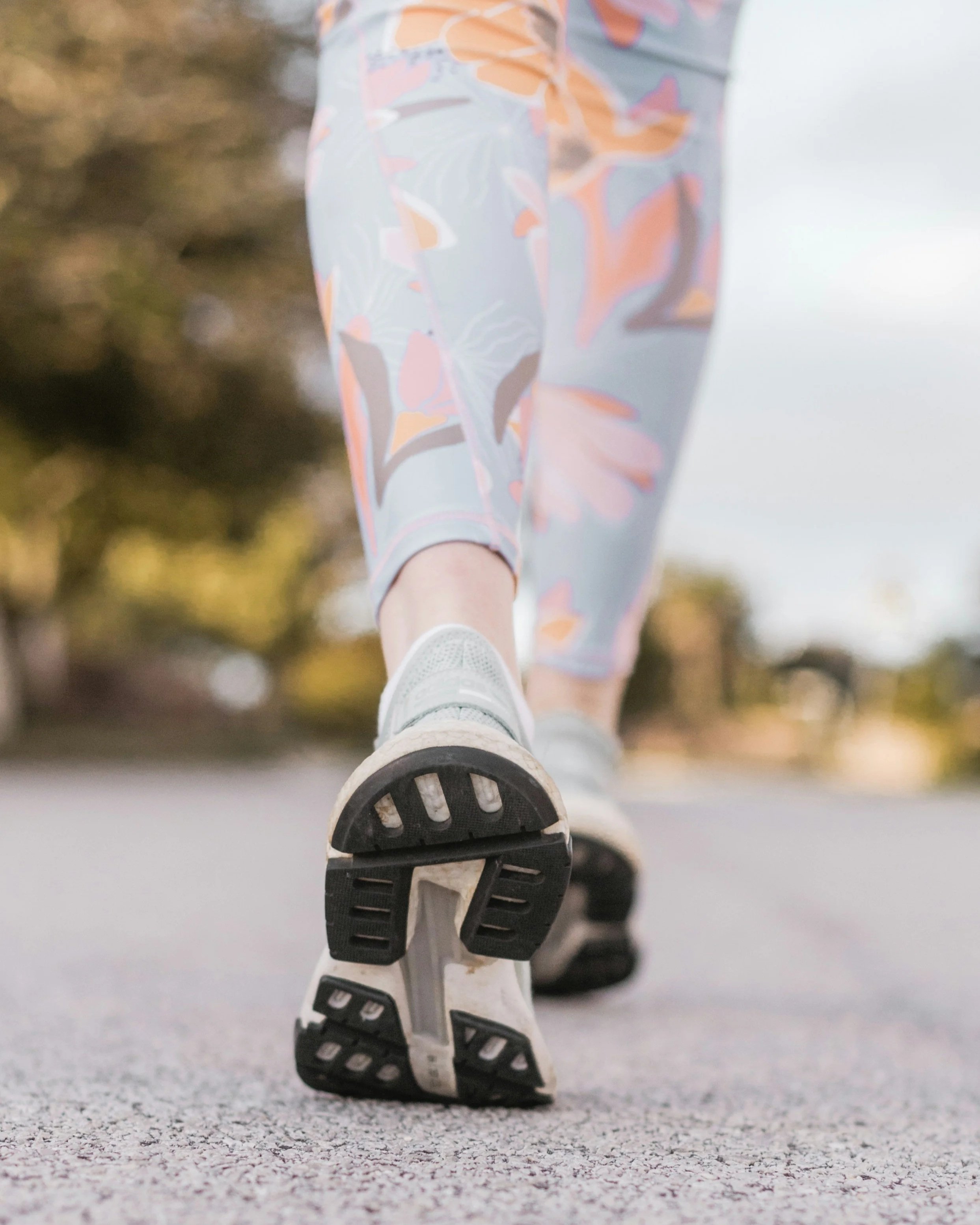
I walked 10,000 steps every day for an entire month.
Here I’m sharing my walking challenge results, unexpected benefits & what I learned along the way.
I've always considered myself a pretty active person. I strength train consistently, enjoy getting outside, and genuinely love movement. But when one of my favorite herbal wellness companies, SubLuna, announced a 30-day walking challenge, I started paying closer attention to how many steps I was actually getting throughout the day. And honestly, I was surprised!
Even though I was working out regularly, I realized just how much time I spent sitting, especially on days when I was working at my desk.
So, I decided to challenge myself to walk 10,000 steps a day for 30 days. My goal wasn't necessarily weight loss. I wanted to be more intentional about moving my body throughout the day, spend more time outside, and see what kind of difference a consistent walking routine could make.
After 30 days of walking 10K steps a day, I had lost six pounds, noticed improvements in my mood, and developed some new habits that I've continued even after the challenge ended.
I also learned a few things the hard way, including why I wish I'd gradually worked my way up to 10,000 steps instead of jumping right in (especially as an avid barefoot shoe wearer).
Here are my 10K steps a day results, what I learned from the challenge, and my favorite practical tips for getting 10,000 steps a day, even if you work a desk job or have a busy schedule.
Benefits of Walking 10,000 Steps a Day
Even if you’re someone who finds it difficult to squeeze time for a workout into your day, walking is one of the simplest ways to incorporate more movement into your daily routine, and the benefits go far beyond burning calories.
While I personally noticed improvements in my mood and experienced some weight loss during my 30-day walking challenge, there's also some pretty compelling research supporting the benefits of increasing your daily steps.
A 2025, The Lancet Public Health examined 57 studies exploring the relationship between daily step counts and various health outcomes.
Researchers found that, compared to walking just 2,000 steps per day, walking approximately 7,000 steps per day was associated with:
47% lower risk of death from any cause
25% lower risk of developing cardiovascular disease
38% lower risk of dementia
22% lower risk of depressive symptoms
14% lower risk of developing type 2 diabetes
Pretty incredible, right?
Walking more doesn't guarantee that you'll experience these exact results, but the research does highlight just how valuable regular movement can be for our overall health.
Read the full study published in The Lancet Public Health.
My Results After Walking 10,000 Steps a Day for 30 Days
I went into this 30-day walking challenge hoping to become more intentional about daily movement, but I ended up getting so much more out of it than I expected!
Here are some of the biggest changes I noticed after walking 10K steps a day for 30 consecutive days.
I Lost 6 Pounds
While weight loss wasn't my main motivation for starting the challenge, I was pleasantly surprised to lose six pounds over the course of the month.
I was already consistently strength training before the challenge and continued doing so throughout the 30 days. The biggest change was simply how much more I was moving outside of my regular workouts.
I was actively working to lower some systemic inflammation I was experiencing, so while I can't say that walking alone was responsible for those six pounds, it was an encouraging result and I think it absolutely played a part!
My Mood Improved
One of my favorite benefits of walking 10,000 steps a day was how much better I felt mentally. Getting up from my desk, spending more time outside, and taking short walks throughout the day made such a difference in my overall mood.
I especially loved having a reason to step away from my computer and get some fresh air. Even a quick 5–10 minute walk between meetings became something I looked forward to.
I Became More Intentional About Daily Movement
This was probably my biggest takeaway from the entire challenge.
Before starting, I considered myself a pretty active person because I was consistently strength training. But I hadn't really thought about how much of the rest of my day was spent sitting.
Working a desk job made it surprisingly easy to go hours without getting up and moving around.
The challenge forced me to get creative with what I like to call "movement snacks" throughout the day. Sometimes that meant taking a 30-minute walk after lunch. Other days, it meant squeezing in three or four shorter walks between meetings.
I realized that getting 10,000 steps a day didn't necessarily require one long walk. Those little pockets of movement really added up!
Walking 10K Steps Became Easier Over Time
I'm not going to pretend that walking 10,000 steps every day felt easy from the beginning. The first part of the challenge was definitely an adjustment. But once I started finding a rhythm and making walking part of my daily routine, it became significantly easier to reach my step goal.
Instead of getting to the end of the day and realizing I still had thousands of steps left (which did happen a couple of times 🥴), I started being more intentional about fitting movement into my schedule.
And the best part? I've continued maintaining my increased daily step count even after the challenge ended. For me, that's been one of the most rewarding results. What started as a 30-day challenge turned into a habit that has stuck with me.
How I Got 10,000 Steps a Day While Working a Desk Job
One of the biggest challenges of walking 10,000 steps a day was figuring out how to fit that much movement into my normal routine, especially on days when I was working my desk job. On days I was at home with my toddler, getting 10,000 steps actually came very easily (IYKYK). I quickly realized that if I waited until the end of the day to get all my steps in, it felt pretty overwhelming. Instead, I started finding little opportunities to move throughout the day.
The biggest thing that helped? Movement snacks!
Take Short Walking Breaks Throughout the Day
Rather than trying to squeeze in one long walk, I started breaking up my movement into smaller chunks.
On workdays, I would sometimes take three or four 5–10 minute walks between meetings. Not only did this help me get closer to my step goal, but it also gave me an opportunity to step away from my computer and take a mental break.
At first I thought I needed a full 30–60 minutes available to make walking worthwhile, but those shorter walks really added up!
Go for a Walk During Your Lunch Break
Another habit I incorporated was taking a 30-minute walk after lunch. I loved using this time to get outside, enjoy some fresh air, and break up the workday. It was also a great way to get a good chunk of my steps in before the afternoon.
If you work a desk job, even dedicating part of your lunch break to walking can make a difference.
Bonus: Movement, even 5-10 minutes after a meal, can help regulate blood sugar!
Make Movement Part of Your Daily Routine
One of the biggest lessons I learned was that getting 10,000 steps a day required a little more planning than I expected.
At first, I had to be really intentional about finding opportunities to walk. But as the challenge went on, those little movement breaks started becoming part of my normal routine. Instead of thinking about walking as another workout I needed to squeeze into my schedule, I started looking for ways to move more throughout the day.
And honestly, I think that's what made the challenge sustainable for me.
Don't Underestimate Small Amounts of Movement
If there's one thing I'd encourage you to take away from my experience, it's that you don't have to get all 10,000 steps in at once.
A few short walks between meetings, a longer walk during lunch, or simply making an effort to get up from your desk more often can make a big difference in your daily step count.
And even if you don't reach 10,000 steps every day, those extra opportunities to move are still worthwhile!

What I'd Do Differently About My 10K Steps Challenge
While I absolutely loved this challenge and would recommend it to anyone looking for ways to add more movement to their day, there's one thing I wish I'd done differently: gradually working my way up to 10,000 steps a day instead of jumping right in.
I was already consistently strength training before starting the challenge, but I quickly realized that didn't necessarily mean my body was accustomed to walking that much every day.
As the challenge went on, I started experiencing some foot pain. Looking back, I think I would have benefited from giving my body more time to adjust to the increased movement.
A Note About Barefoot Shoes
Something worth mentioning is that I exclusively wear barefoot shoes. I love them, but because they typically have less cushioning and support than conventional shoes, I think it's especially important to be intentional about increasing activity.
Barefoot shoes encourage your feet to work differently than they would in more supportive footwear. The goal with barefoot shoes is to support (or restore, if you haven’t previously used them) the natural foot function that so many people don’t have today because most shoes have arch support and narrow toe boxes. While I absolutely love my barefoot shoes and have noticed many incredible improvements, it doesn't mean you should immediately jump into walking several miles every day without gradually building up your tolerance.
While I think my foot pain was a combination of footwear and a sudden increase in steps, it was a good reminder to listen to my body.
Start Where You Are
If you're thinking about starting your own 10K steps challenge, my biggest piece of advice is to pay attention to your current activity level first.
If you're only averaging a few thousand steps a day, you don't necessarily need to jump straight to 10,000 tomorrow. Start with a manageable increase and gradually work your way up as your body adjusts.
And remember, 10,000 steps isn't a magic number. There's value in increasing your daily movement, even if you're not consistently hitting that goal.
The goal should be building sustainable habits, not pushing through pain just to reach a number on your watch.
Do You Really Need 10,000 Steps a Day?
Here's something I think is important to remember: You don't have to walk 10,000 steps every day to experience meaningful health benefits!
Even the researchers found that many of the health benefits associated with walking were already substantial around 5,000–7,000 steps per day, depending on the health outcome. That doesn't mean walking 10,000 steps isn't worthwhile. It just means there's nothing magical about that exact number.
Personally, I loved having 10K steps as my daily goal because it challenged me to be more intentional about movement. But I also think it's important to meet yourself where you're at.
If you're currently averaging 3,000 steps a day, working your way up to 5,000 or 7,000 can be a meaningful improvement. You don't have to jump straight to 10,000 to start building healthier habits.
For me, the biggest win wasn't the number on my step counter or even the weight I lost. It was building a habit that I've continued long after the challenge ended. The goal is finding sustainable ways to move your body consistently and support your long-term health.
Have you ever tried a 10K steps challenge? Or are you thinking about starting one? I'd love to hear about your experience in the comments!
