
Reishi Mushroom Review: My 30-Day Experience
This post contains affiliate links, meaning that I may make a small commission when you shop from my provided links. This helps me to grow my business, at no extra cost to you!
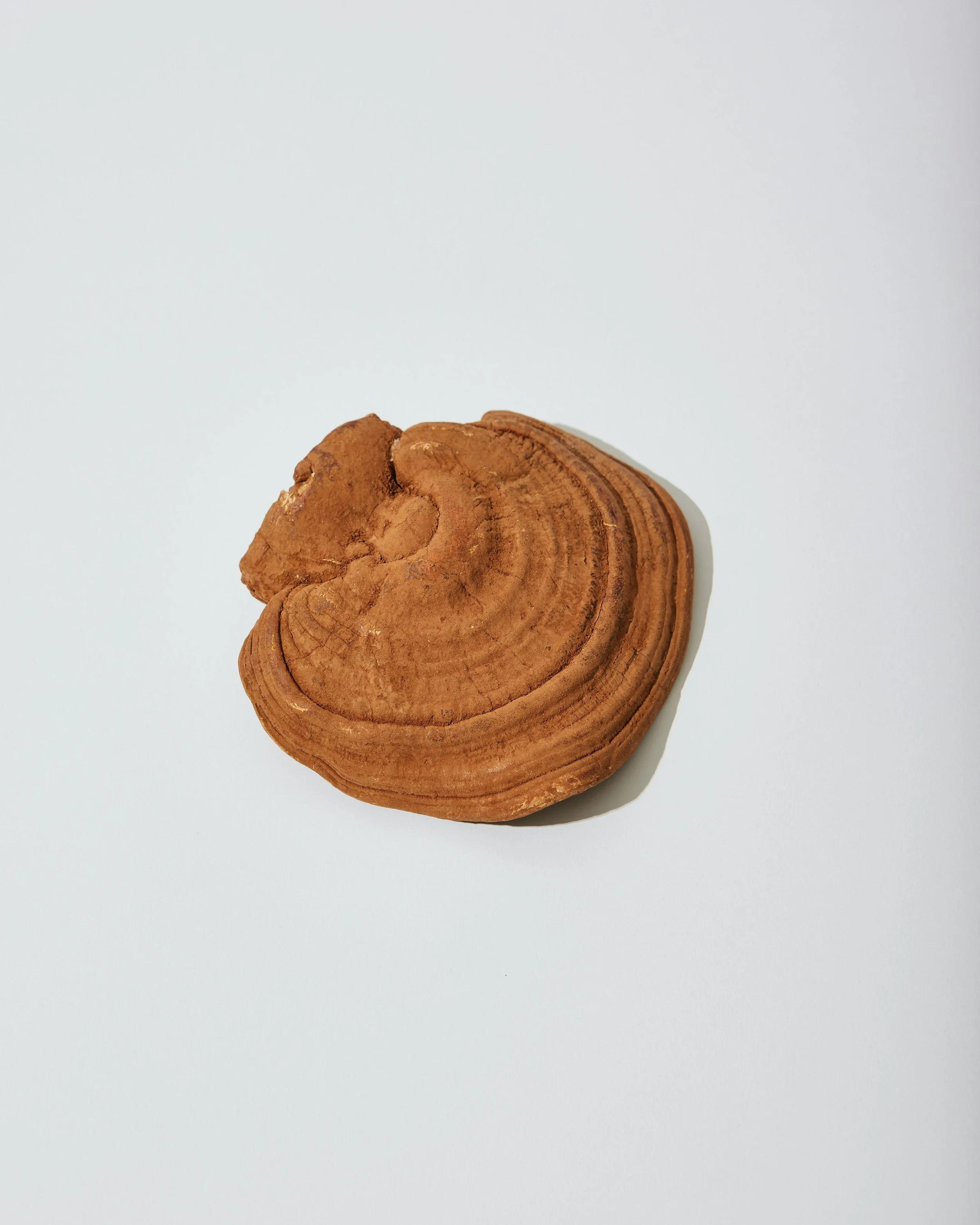
Have you been hearing about medicinal mushrooms everywhere lately? I have too.
I recently did a 30 day trial with reishi—here’s what I noticed.
I’ve been hearing about medicinal mushrooms everywhere lately—and maybe you have too. Anytime a new wellness trend starts circulating, I like to do my research before jumping on board. As someone who values natural health care, I kept hearing about reishi from influencers, practitioners I respect, and even a few friends. The claims ranged from nervous system support to better sleep and overall stress resilience.
As a nutrition practitioner and a new mom navigating the postpartum season, those types of holistic health remedies sounded incredibly appealing—but I wasn’t interested in jumping on hype. I’ve always believed that holistic healing should be evidence-based and felt, not just followed. So, rather than dismissing natural treatments or simply theorizing about herbal healing, I decided to put it to the test and see how my body actually responded.
What is Reishi?
Reishi (Ganoderma lucidum) is a medicinal mushroom that’s been used for thousands of years in traditional Chinese medicine. It’s often referred to as the “mushroom of immortality,” not because it works overnight or promises instant results, but because it was traditionally used to support longevity, balance, and overall resilience in the body.
Reishi is considered an adaptogen, meaning it helps the body adapt to stress rather than forcing a specific outcome. Unlike stimulants or sedatives that push the body in one direction, adaptogens work more subtly by supporting the nervous system and stress response over time.
Traditionally, reishi has been used to support:
Nervous system and stress regulation
Sleep quality and relaxation
Immune system balance
Overall vitality during physically or emotionally demanding seasons
This is part of what made it so intriguing to me, especially postpartum. That season can place a significant load on the nervous system — from disrupted sleep and hormonal shifts to the mental and emotional demands of caring for a baby. Rather than looking for something stimulating or “energizing,” I was interested in gentle, foundational support that could help my body feel more resilient.
Why I Chose SubLuna’s Reishi Extract
When it comes to herbs and medicinal mushrooms, the brand matters just as much as the ingredient itself. Because reishi is something taken consistently — and because it can absorb what it’s grown in — sourcing, testing, and integrity were non-negotiable for me.
I chose SubLuna’s reishi extract because it’s a brand I already know, use, and fully trust. This wasn’t my first experience with SubLuna — I’ve been using several of their products regularly, including their Chamomile + Clove blend for littles (and sometimes myself), their Golden Egg drink blend, Detox + Chill, and their Adrenal Support. I’ve had consistently positive experiences with all of them, which made it an easy decision to reach for their reishi when I decided to try it.
Beyond brand trust, a few key things stood out to me:
Fruiting body mushrooms, not mycelium grown on grain
Extracted for bioavailability, rather than a raw powder
Thoughtful sourcing and transparency around ingredients
Third-party testing, which matters with mushrooms that can bioaccumulate heavy metals
A formulation designed for long-term, gentle support, not a quick fix
Reishi isn’t something I wanted to experiment with casually. I wanted a product that aligned with traditional use, modern safety standards, and my own values around low-tox living — especially during the postpartum season.
Week-by-Week: What I Noticed Over 30 Days
I want to be clear upfront — nothing about taking reishi felt dramatic or instant. And honestly, I appreciated that. The changes were subtle at first, then gradually more noticeable in the way my body handled stress, sleep, and everyday demands.
Week 1: Subtle but Noticeable Calm
During the first week, the biggest thing I noticed was a sense of feeling more grounded. There was no “wired” or stimulated feeling, and nothing felt forced. If anything, my nervous system felt a little quieter.
I also noticed that transitioning into sleep felt easier. I wasn’t passing out the second my head hit the pillow — postpartum sleep is still postpartum sleep — but my mind felt less busy at night, which made falling asleep feel more natural.
Weeks 2–3: Sleep, Mood, and a Real-Life Stress Test
By weeks two and three, the effects became more noticeable.
I was falling asleep more easily, my mood felt more stable, and I noticed that I wasn’t as reactive to everyday stressors. Things that might normally spike my stress or irritability felt easier to move through. My energy also felt steadier throughout the day — fewer highs and crashes, and more of a consistent baseline.
Then, during week three, my baby and I were in a rollover car accident.
Thankfully, everyone was okay, but it was objectively a very stressful situation. What surprised me most was how calm I felt throughout the entire experience. I was able to stay present, think clearly, and handle everything without feeling panicked or overwhelmed. Later, I even noticed that my blood pressure barely elevated, despite the intensity of the situation.
I’m not claiming reishi is the sole reason for that response — but I couldn’t ignore how different it felt compared to how my body has reacted to acute stress in the past.
Week 4: Nervous System Resilience
By the fourth week, the most noticeable shift was a deeper sense of baseline calm.
Stressful moments still happened — because life (and also recovering from the accident) — but they didn’t feel as consuming or overwhelming. I felt more supported overall, especially in this postpartum season where the nervous system can feel constantly taxed.
Rather than feeling like something was “doing” something to my body, it felt like my body had more capacity to handle what was already there.
Who is Reishi for?
Reishi isn’t a one-size-fits-all remedy, but in my experience — and in many of the stories shared within the SubLuna community — it seems to resonate most with people who are navigating long-term stress rather than acute issues. For me, that looked like the everyday load of postpartum life, where disrupted sleep, emotional ups and downs, and constant demands on the nervous system are the norm rather than the exception.
Postpartum moms might especially find reishi supportive because it feels like gentle nervous system regulation — not a stimulant, not a sedative, just a calmer baseline throughout the day. Similarly, people going through high-stress seasons of life or anyone who finds their mood or energy swinging throughout the day may notice that reishi helps them feel steadier and less reactive.
Some parents in the SubLuna community also talk about the idea of “Reishi babies” — a traditional term that describes infants whose parents took reishi during pregnancy and report that their babies were calmer, more content, and easier to soothe. The idea here isn’t that reishi guarantees a certain type of baby, but that supporting maternal stress and emotional balance during pregnancy may create a calmer in‑womb environment and ripple into early postpartum life.
Final Thoughts
Finally — and importantly — reishi felt to me like gentle, long-term support rather than something that forces quick changes or dramatic effects. It’s not a cure-all, but for anyone exploring natural, foundational ways to support their nervous system, sleep rhythm, and stress response over time, it might be worth exploring.
SubLuna shared an exclusive discount so you can save 10% off your first order with code JENNTAYLOR
