
Nature’s Reset: The 6 Best Liver Cleansing Foods
This post contains affiliate links, meaning that I may make a small commission when you shop from my provided links. This helps me to grow my business, at no extra cost to you!
Skipping the juice cleanse? Me too.
The best whole foods to support natural detoxification and nourish your body.
I don’t know about you, but when I hear the phrase "liver cleanse," my mind automatically jumps to an extreme 10-day juice fast, expensive supplements, or a restrictive liquid diet. But the truth is, your liver is already a pro at detoxifying. It works 24/7 to filter your blood, metabolize hormones, and neutralize daily toxins without needing a harsh reset.
Instead of starving your body to help your liver, the most effective approach is to nourish it. Your liver requires specific building blocks like vitamins, minerals, amino acids, and antioxidants to run its natural Phase 1 and Phase 2 detoxification pathways efficiently.
Here are the best whole, nutrient-dense foods to incorporate into your routine to naturally support optimal liver health and daily vitality.
1. Fresh Raw Carrots
A daily raw carrot is a staple in many metabolic and liver-supportive protocols for good reason.
Why it works: Raw carrots contain unique indigestible fibers that bind to endotoxins and excess estrogen in the digestive tract, helping to safely excrete them before they can be reabsorbed and put extra stress on the liver.
How to eat it: Enjoy a daily raw carrot salad: Shredded fresh with a simple splash of apple cider vinegar, a touch of olive oil or coconut oil, and a pinch of sea salt.
2. Wild-Caught Seafood (Especially Salmon and Oysters)
Your liver relies heavily on quality protein and specific amino acids to carry out Phase 2 detoxification, which neutralizes toxins and prepares them for elimination.
Why it works: Fatty fish like wild salmon provide high amounts of omega-3 fatty acids, which help reduce inflammation and prevent fat accumulation in the liver. Oysters and shellfish are one of the richest dietary sources of zinc and selenium, two minerals essential for antioxidant enzyme production.
How to eat it: Incorporate wild-caught salmon a couple of times a week, or keep canned wild salmon or smoked oysters on hand for quick, protein-packed lunches. My personal fav: smoked oysters on a slice of fresh sourdough!
3. Leafy Greens and Bitter Herbs
Bitter foods have long been revered in traditional wellness practices for their ability to stimulate digestive secretions and support liver function.
Why it works: Greens like arugula, dandelion greens, mustard greens, and watercress contain compounds that stimulate bile flow. Healthy bile production is essential because it is the primary vehicle your liver uses to flush out metabolic waste and heavy metals.
How to eat it: Toss a handful of peppery arugula into your eggs, or make a vibrant green salad dressed with a bright lemon and olive oil vinaigrette.
4. Pasture-Raised Liver (The Ultimate Superfood)
It might sound obvious, but eating liver is the single most powerful way to support your own liver. Organ meats are nature’s ultimate multivitamin.
Why it works: Liver is exceptionally rich in preformed Vitamin A, B vitamins (especially B12 and folate), choline, iron, and copper. Choline is particularly vital for fat metabolism, preventing the buildup of fats in the liver.
How to eat it: If the taste of fresh organ meats isn't your favorite, you can easily bridge the gap by incorporating high-quality desiccated beef liver capsules into your daily routine. It's the most convenient way to get ancestral nutrition without any prep work. If you prefer the real thing, try lightly pan-frying chicken livers in tallow or blending ground beef liver into your favorite meatball recipes.
Use code JENNTAYLOR for 10% off your Perfect Supplements order!
5. High-Quality Animal Proteins & Bone Broth
Supporting the liver requires an abundance of amino acids—specifically glycine, taurine, and methionine.
Why it works: Glycine (abundant in bone broth, slow-cooked meats, and gelatin) is a rate-limiting amino acid for the production of glutathione, your body’s master antioxidant. Glutathione is heavily utilized by the liver to neutralize oxidative stress and clear out toxins.
How to eat it: Sip on a warm mug of homemade bone broth seasoned with sea salt, or use rich, slow-simmered stocks as the base for your everyday soups and stews.
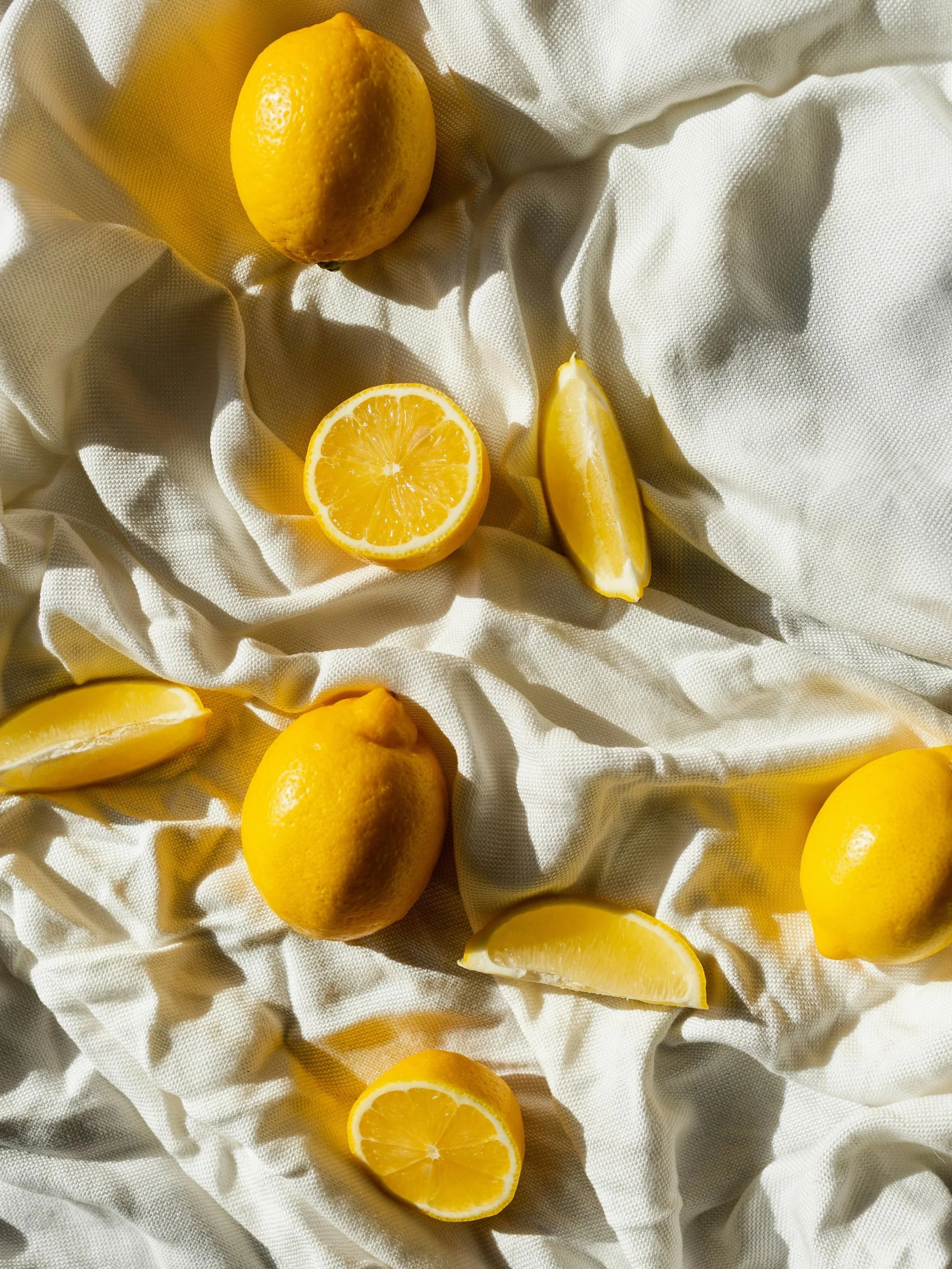
6. Lemons and Citrus Fruits
Starting your morning with hydration infused with fresh citrus is a classic ritual that gently wakes up the digestive tract.
Why it works: Citrus fruits provide vitamin C and beneficial plant compounds (like d-limonene found in the peels) that act as antioxidants and support digestive enzyme production.
How to eat it: Squeeze fresh lemon juice into room temperature or warm water first thing in the morning, or use citrus zest to brighten up marinades and dressings.
The Takeaway
Supporting your liver doesn’t have to mean deprivation. By leaning into whole, ancestral foods rich in bioavailable vitamins, quality proteins, and targeted fibers, you give your body the daily raw materials it needs to thrive naturally.
What is your favorite way to incorporate liver-supporting foods into your daily meals? I would love to hear!
