
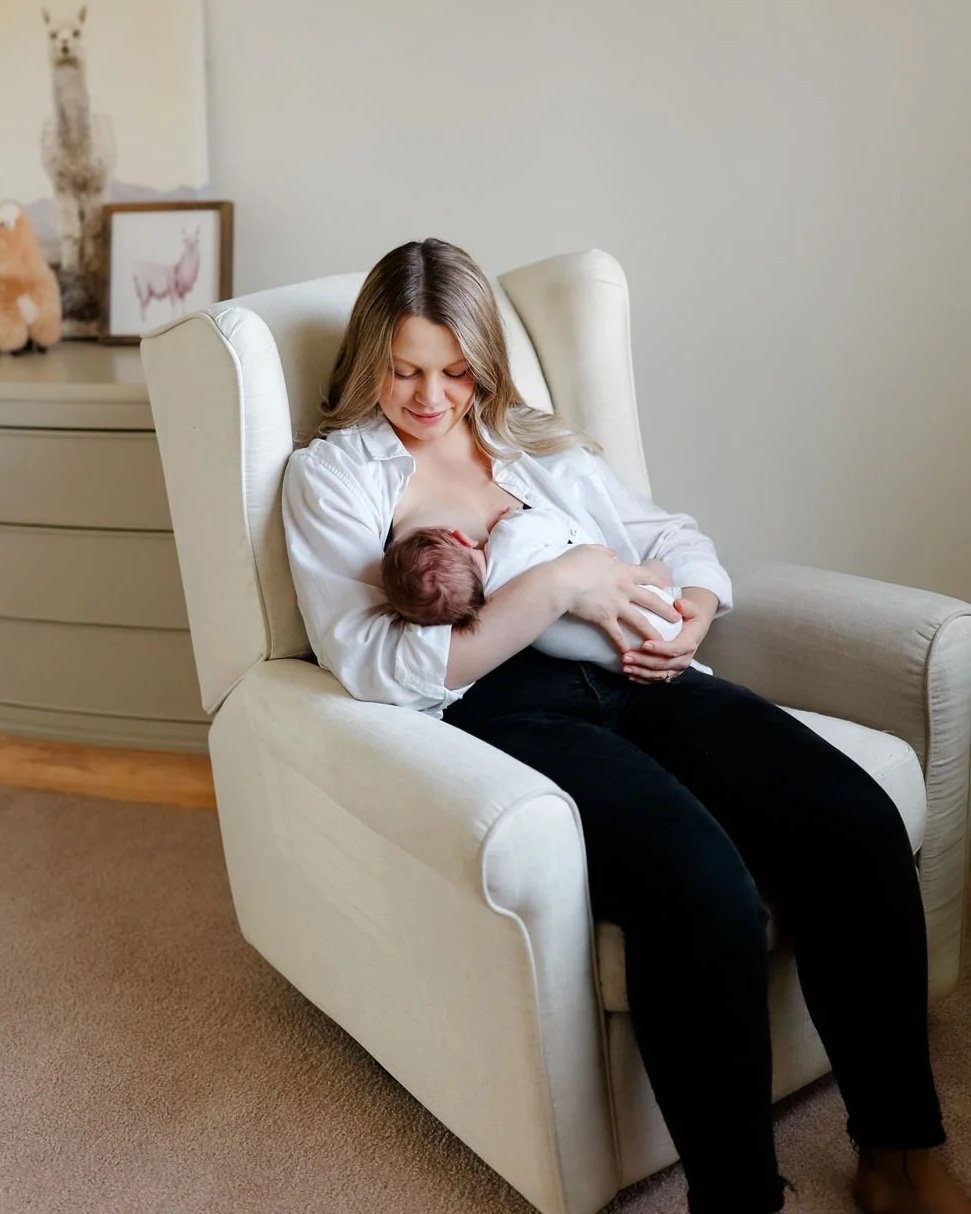
It’s been nearly two years of nourishing, comforting, and connecting with my son through breastfeeding.
Here’s a peek into what our journey has looked like, the unexpected challenges, thoughts on weaning, and a few of the memories I’ll cherish forever.
It’s been nearly two years on my breastfeeding journey with my son. When I first started breastfeeding, I knew I wanted to continue until at least his second birthday. I knew about the recommendations from the American Academy of Pediatrics and the World Health Organization, but since every breastfeeding experience is unique and I had never nursed before, I tried to stay open-minded about breastfeeding beyond one year. I even thought that if I could make it to his first birthday, we would consider that a huge win and go from there.
What I didn’t anticipate was how much our breastfeeding journey would challenge me, both physically and mentally.
We’ve navigated food allergies, multiple elimination diets, the demands of breastfeeding a toddler, the 18-month trenches, and many other challenges. All of that to say, our breastfeeding journey has looked a lot different than I originally imagined.
Now, as we quickly approach my son’s second birthday, I’ve been spending lots of time reflecting on what an incredible gift this experience has been, but also how much extended breastfeeding has required of me.
There’s so much information out there about nursing infants, but I feel like I rarely see people honestly dive into what breastfeeding to 2 years old actually looks like. So, I want to share what breastfeeding beyond the first year has looked like for us, including some of the challenges that aren’t always talked about.
What is Extended Breastfeeding?
When I say “extended breastfeeding,” I’m referring to breastfeeding past one year. While there is no universally agreed-upon timeline for extended breastfeeding, that is the one that’s most often thought of. While breastfeeding past infancy is sometimes considered unusual in the United States (and boy can I attest to this, especially with some of the comments and looks I got from relatives 🥴), it's a normal part of motherhood in many cultures around the world.
Both the American Academy of Pediatrics (AAP) and the World Health Organization (WHO) recommend exclusive breastfeeding for approximately the first six months, followed by continued breastfeeding alongside complementary foods until two years of age or beyond.
And contrary to what some people believe, breast milk doesn't suddenly lose its nutritional value when your baby turns one. It continues to provide nutrients, immune-supporting components, and comfort throughout toddlerhood.
Ultimately, how long you choose to breastfeed is a personal decision. Extended breastfeeding offers meaningful benefits, but it should also be something that works for both you and your child.
Benefits of Extended Breastfeeding
One of the biggest misconceptions about extended breastfeeding is that breast milk stops being beneficial after a baby's first birthday. But that couldn't be further from the truth! While toddlers gradually get more of their nutrition from solid foods, breast milk continues to offer valuable nutrients, immune support, and other benefits well beyond infancy.
Continued Nutritional Benefits
Breast milk continues to provide important nutrients throughout the second year of life, including fats, protein, vitamins, and minerals.
According to the World Health Organization, breast milk can provide approximately one-third of a child's energy needs during their second year of life! And while breast milk isn't intended to replace a balanced diet of nutrient-dense foods at this age, it can certainly continue to be a valuable addition.
This was particularly meaningful to me as we navigated my son's multiple food allergies. Knowing that I could continue providing breast milk alongside the foods he was able to tolerate gave me some additional peace of mind.
Immune System Support
Another incredible benefit of extended breastfeeding is that breast milk continues to contain antibodies and other immune-supporting components even as your child grows.
In fact, research discussed by the American Academy of Pediatrics has found that breast milk during the second year of life contains higher concentrations of certain immune-related components, including immunoglobulin A, lactoferrin, and lysozyme. While breastfeeding certainly doesn't prevent every illness, it continues to offer immune support throughout toddlerhood.
That’s why, even now, at nearly two years postpartum, I still continue to pump on my in-office days. I’ve been creating a healthy stash of breast milk I’ve pumped during my son’s toddlerhood that I can continue to incorporate into his diet even after we’re done with our nursing journey.
Emotional Connection and Comfort
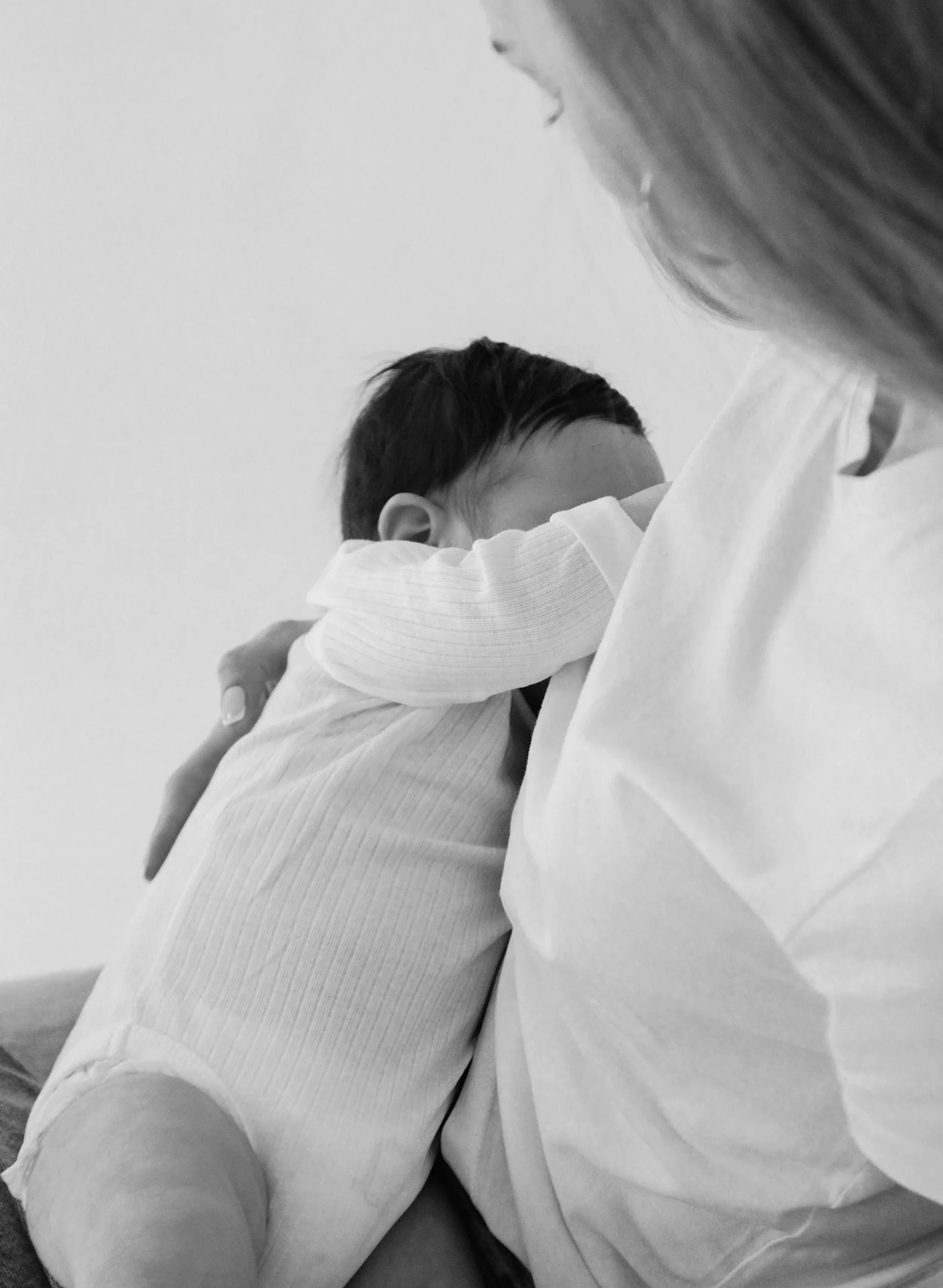
Breastfeeding isn't just about nutrition. For many toddlers, it's also a source of comfort, connection, and reassurance. Whether they're sick, overwhelmed, tired, or simply needing a little extra closeness, nursing can provide a familiar way to reconnect with their mother.
For me, this has been one of the sweetest parts of breastfeeding my son into toddlerhood, even as the physical demands have become more challenging. This has proven itself multiple times as my son has been teething and I’ve still been able to offer him the comfort he needs.
Benefits for Mothers
And while those alone are great reasons for extended breastfeeding, the great news is there are also many benefits for mothers, too!
Research has associated longer breastfeeding duration with a reduced risk of breast cancer, ovarian cancer, type 2 diabetes, and high blood pressure. Those benefits are associated with breastfeeding in general, which is aboslutely incredible, but studies have shown that the longer you breastfeed, the more likely you are to experience these positive health outcomes.
The Realities and Challenges of Extended Breastfeeding
As much as I've loved breastfeeding my son, I would be lying if I said it has always been easy. In fact, there have been seasons when I've seriously questioned whether I could continue.
One of our biggest challenges has been navigating my son's food allergies. When he was younger, he began experiencing chronic digestive issues and eczema, which eventually led me to eliminate several foods from my own diet, including dairy, eggs, wheat, soy, and caffeine. After allergy testing, we navigated additional dietary restrictions, which made an already demanding season of motherhood even more challenging.
And while I'm incredibly grateful that I've been able to continue breastfeeding through those challenges, the dietary restrictions have required a lot of sacrifice. They've also made me realize just how important it is to be intentional about nourishing myself, too.
Even though my milk supply has been well-established for quite some time, I've noticed that when I'm not eating enough, my energy levels plummet much faster than they did before breastfeeding. It's been a constant reminder that while I'm focused on nourishing my son, I can't forget about my own nutritional needs.
→ One-Handed Breastfeeding Snacks for Milk Supply
Beyond nutrition, there are also the physical and mental demands of breastfeeding a toddler.
Unlike nursing a newborn, breastfeeding a toddler can involve a lot of movement, distractions, tugging, and demands for milk at inconvenient moments. We've also navigated multiple seasons of frequent nighttime nursing over the past year, and there have been plenty of times when I've felt like my body was never entirely my own.
And then came what I like to call the 18-month trenches…
I've heard multiple moms talk about how challenging breastfeeding can become in the months leading up to 18 months, and after experiencing it myself, I completely understand why.
Around this age, our toddlers are learning and developing at such a rapid pace. They're becoming more independent, learning to communicate their wants (and demands!) more loudly, and sometimes navigating sleep regressions or increased nighttime wakings. And for some toddlers, all of those changes seem to come with an increased desire to nurse.
At least, that was certainly our experience!
Around 18 months, I found myself in one of the most challenging seasons of our entire breastfeeding journey. Between the frequent nursing, disrupted sleep, and feeling like my body was constantly needed, I seriously considered if it was time to stop.
And while I knew breastfeeding was still beneficial for my son, I also had to acknowledge how much it was taking out of me.
I want to acknowledge that if I had decided to stop in that season, there would have been absolutely no shame in that. But I spent a lot of time (and tears) processing with close friends, my husband, and trusted family members that helped me get through those challenging months. And I’m so glad we pushed through!
Preparing to Wean: My Mixed Emotions
As we approach my son's second birthday, I've started thinking more seriously about what weaning might look like for us. And if I'm being completely transparent, I have a lot of mixed emotions.
On one hand, I'm ready. I'm looking forward to having a little more bodily autonomy, hopefully getting some more uninterrupted sleep, and simply not being needed quite so physically all the time.
But on the other hand, the thought of ending this chapter makes me incredibly sad.
For nearly two years, breastfeeding has been such a significant part of our relationship. It's been a source of nourishment, comfort, connection, and countless quiet moments together. And while I know our bond isn't dependent on breastfeeding, it's hard to imagine what life will look like without it.
There's also a part of me that worries about navigating his nutritional needs after weaning, especially with his multiple food allergies. Breastfeeding has provided an additional source of nourishment throughout so many dietary challenges, and letting go of that brings its own uncertainties.
I don't know exactly what our weaning journey will look like yet, but I do know that I'm incredibly grateful for the time we've had! And I'm learning that it's okay to feel both ready and sad about closing this chapter. I know I’ll share more here about closing out the chapter of this journey when the time comes.
Final Thoughts on Extended Breastfeeding
Looking back on nearly two years of breastfeeding, I can confidently say that it's been one of the most beautiful, challenging, and rewarding experiences of my motherhood journey.
There have been lots of moments of exhaustion, frustration, and plenty of tears, but also countless moments of connection, comfort, and gratitude that I wouldn't trade for anything.
If you're currently breastfeeding beyond one year, considering extended breastfeeding, or wondering how much longer you can continue, I hope sharing our experience has encouraged you.
At the end of the day, there's no one-size-fits-all approach to breastfeeding. Whether your journey lasts a few weeks, several months, or multiple years, what matters is finding what works for both you and your child. And whatever that looks like for your family, I hope you can give yourself grace along the way!
