
This post contains affiliate links, meaning that I may make a small commission when you shop from my provided links. This helps me to grow my business, at no extra cost to you!
Fall is my favorite season for nourishing food
And while fall is often associated with sweets and holiday treats, it’s also one of my favorite seasons for filling our meals with nutrient-dense, whole foods.
As the weather cools down, I find myself reaching for warm broths, seasonal produce, root vegetables, slow-cooked meals, and all of the cozy foods that make this time of year so good.
If you’re looking for healthy fall foods to add to your meals this season, these are 10 of my favorites, along with simple ways we actually eat them in our home.
Why Eat Seasonally in the Fall?
A few years ago, we started becoming more intentional about seasonal eating in our home. Seasonal eating simply means choosing foods, especially produce, around the time they're naturally harvested in your area.
One of my favorite things about eating seasonally is that it naturally brings variety into our diet throughout the year. Fall especially has so many nourishing options, including winter squash, pumpkins, apples, pears, root vegetables, cruciferous vegetables, and leafy greens.
We also love growing some of our own food and buying locally when we can. There is something incredibly satisfying about turning a garden harvest into soups, roasted vegetables, homemade broth, and other meals we can enjoy throughout the colder months.
My Favorite Nourishing Fall Foods
1. Bone Broth + Meat Stock
Bone broth and meat stock are some of my favorite nourishing foods once the weather cools down. They're rich in protein, collagen, and amino acids, and they're an easy way to add extra nourishment to soups, stews, sauces, and even rice.
We love making our own using the bones from a whole chicken or beef bones we've saved throughout the year. It's incredibly simple, reduces food waste, and is much more affordable than buying quality broth regularly. If making your own isn't your thing, I also love Perfect Supplements Bone Broth for an easy option to keep on hand.
2. Pumpkin + Winter Squash
It wouldn't be fall without pumpkin! Pumpkin and other winter squashes like butternut and acorn squash are rich in beta-carotene, which the body converts into vitamin A, along with fiber and other vitamins and minerals.
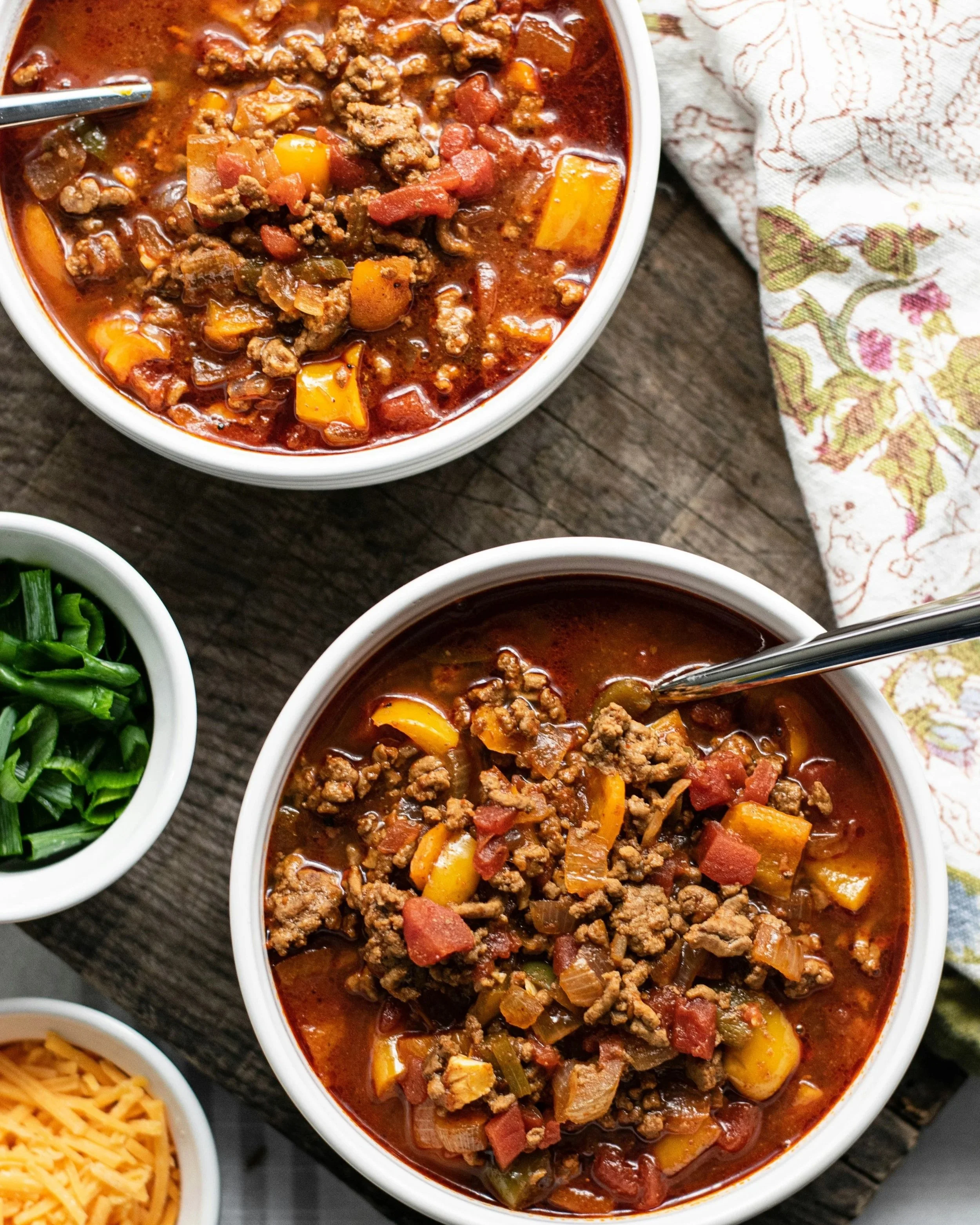
I love roasting winter squash as an easy side dish, adding it to soups, or baking with pumpkin throughout the fall. One of our favorite seasonal meals is this pumpkin chili from Farmhouse on Boone, which is such a cozy (and slightly different) way to get pumpkin onto the dinner table.
3. Apples + Pears
Apples and pears are two of the easiest seasonal fall foods to incorporate because they work in both sweet and savory meals. They're a great source of fiber and provide a variety of vitamins and minerals.
We love eating them on their own, pairing them with a source of protein or fat for a snack, baking them with cinnamon, or adding them to oatmeal and other fall breakfasts.
4. Root Vegetables
Fall is the perfect time to lean into root vegetables like carrots, beets, sweet potatoes, parsnips, and turnips. They're hearty, incredibly versatile, and provide fiber along with a variety of vitamins, minerals, and antioxidants.
We especially love roasting root vegetables with good-quality fat and seasonings, adding them to soups and stews, or serving them alongside a protein for an easy fall dinner. Beets have also become a favorite to add to smoothies (add berries and cacao powder so they don’t taste as earthy)!
5. Mushrooms
You either love mushrooms or hate them, but they're one of my favorite foods to incorporate during the cooler months. Mushrooms provide B vitamins, minerals, fiber, and a variety of beneficial nutrients.
I love adding mushrooms to soups, sauces, ground-beef dishes, and other savory fall meals. And if mushrooms aren't your thing, I also use mushroom supplements from time to time, including Perfect Supplements Mushroom Immunity.
6. Liver + Organ Meats
Organ meats may not be the first thing that comes to mind when you think of fall foods, but they're one of my favorite ways to incorporate more nutrient-dense, ancestral foods into our diet. Liver in particular is incredibly nutrient-dense and provides nutrients like vitamin A, vitamin B12, iron, copper, and folate.
One of the easiest ways I've found to eat liver is adding desiccated liver into ground beef. If you can't get past the taste, desiccated liver supplements are also a great option.
→ The 6 Best Liver Cleansing Foods
7. Artichokes
Artichokes are a food I didn't really appreciate until we traveled to Spain and had some of the best artichokes we'd ever tasted. After that, I knew I wanted to start incorporating them more at home.
Artichokes are a great source of fiber and provide nutrients like folate, vitamin C, magnesium, and potassium. We love finding simple ways to prepare them at home, and of course, I'm always a fan of a good artichoke dip.
8. Dark Leafy Greens
Dark leafy greens like kale, spinach, Swiss chard, and collard greens are another simple way to add more nutrients to fall meals. Depending on the variety, they're good sources of nutrients like vitamins A, C, and K, folate, and minerals.
In the cooler months, I especially love adding greens to warm foods rather than relying on salads. Toss a handful into soups, stews, egg dishes, or sauté them in butter or another cooking fat for an easy side.
9. Fermented Foods
Fermented foods are something I love incorporating year-round, but fall is a great time to preserve some of the seasonal harvest through fermentation. Foods like sauerkraut and other fermented vegetables can provide beneficial bacteria and make a flavorful addition to otherwise simple meals.
You don't have to ferment everything yourself, either. Homemade sauerkraut can be incredibly simple, but there are also plenty of good refrigerated options available if you want the convenience.
10. Slow-Cooked Meats
Technically, slow-cooked meat isn't a seasonal food, but it absolutely becomes a staple in our house once fall arrives. Cuts like chuck roast, short ribs, stew meat, and whole chickens are perfect for slow cooking and provide high-quality protein along with important nutrients like iron, zinc, and B vitamins.
They're also one of my favorite ways to make nourishing meals feel easy. Throw a roast in the slow cooker with seasonal vegetables, make a big pot of stew, or cook a whole chicken and use the leftovers to make broth.
→ Healthy Crockpot Meals for Cozy Fall Dinners
Nourishing Your Body This Fall
Eating well in the fall doesn't have to mean following a complicated meal plan or making everything from scratch. Start with a few seasonal foods you genuinely enjoy and find simple ways to incorporate them into the meals you're already making.
For me, that's one of the best parts of seasonal eating: allowing what is growing around us to inspire what's on our table.
